Dyslexia & Awareness for All
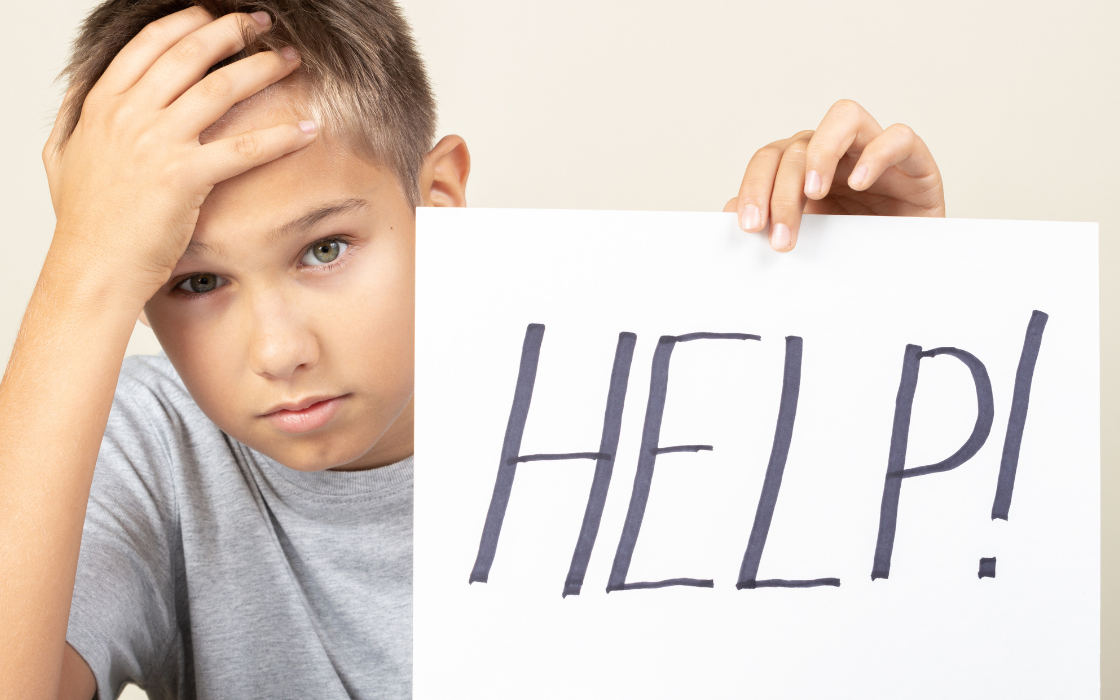
EMPATHY: the ability to understand and share the feelings of another.
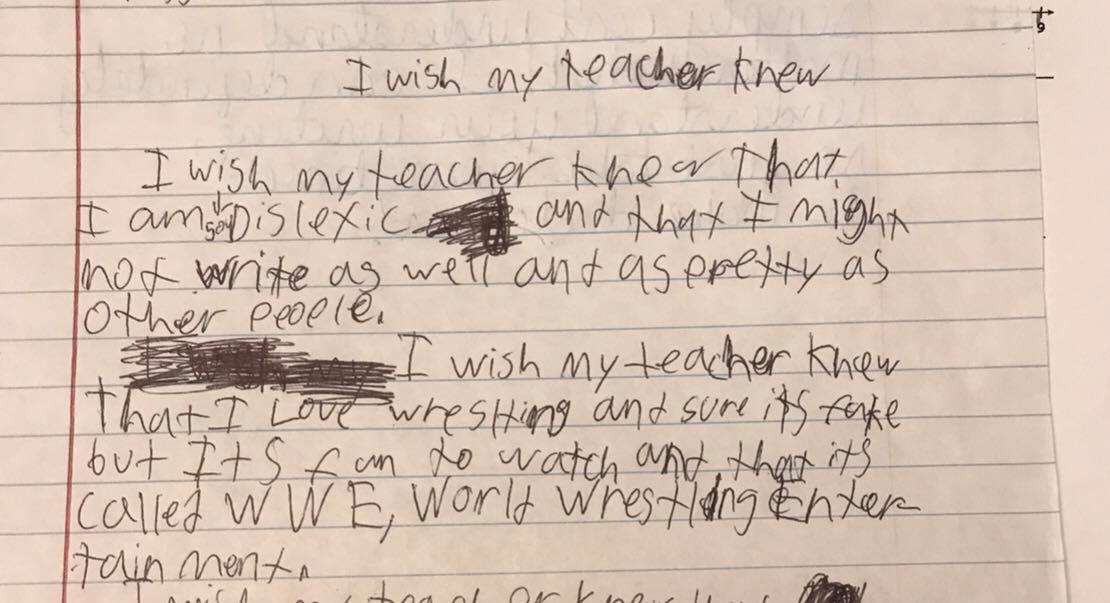
Read the poem below for a glimpse...
"Sometimes I seem uninterested or maybe even lazy.
I have trouble with spelling and my memory is hazy. My letters and numbers reverse but they don't mean to. My Mom understands because hers do it too. Comprehension is tricky, times tables are worse, and don't get me started on learning another language - the absolute worst!
I dread going to school because I can't read aloud without slowing, and writing things down is even more slow going. I'm inclined to be messy and I limit my words, rhyming is awkward and I don't feel heard. I'm creative, smart and talented but I just can't make the grades. I'm doing the very best I can, but I don't know
how to change."
Raising Awareness
-
Participate in the IDA Dyslexia Dash 5K virtually, unless you're in Georgia and can run it for real!
-
Talk to your student's Special Education teacher about indicators of Dyslexia and ask about accommodations
that can be made -
Share this blog post to your social media channels.
-
Give to organizations like Children First Education Fund, who provide scholarships to students
needing intervention for SLDs. (Bonus points if you designate your donation to KoolMinds so our students
receive those funds.)
Defining Dyslexia
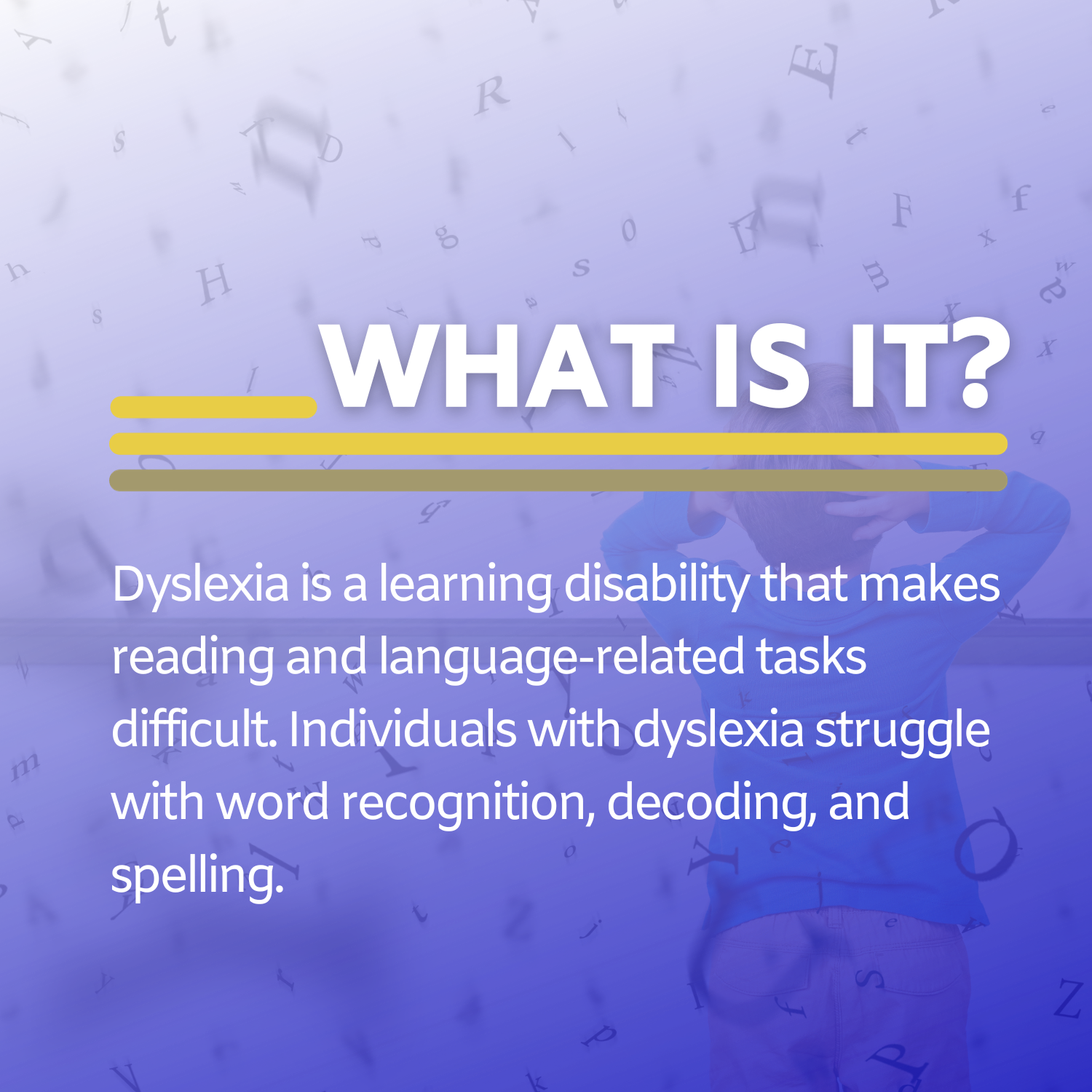
Dyslexia is the most common neural-cognitive disorder. In the United States, NIH research has shown that dyslexia affects 5-10% of the population, with estimates as high as 17%. Dyslexia is mainly a problem with reading accurately and fluently.
Common Signs & Symptoms
In Young Children
- Delayed Speech
- Chronic Ear Infections
- Severe Reactions to Childhood Illnesses
- Late to Establish a Dominate Hand
- Constant Confusion of Left vs Right
- Can't Create Words that Rhyme
- A Close Relative with Dyslexia
In School Aged Children
- Dysgraphia (slow, non-automated handwriting that is difficult to read)
- Letter or Number Reversals Past the End of First Grade
- Slow, Choppy, Inaccurate Reading
- Dreads Going to School
- Extremely Messy Room, Backpack and Desk
- Trouble with Multiplication Facts
Teenagers & Adults
- Limited Vocabulary in Writing
- Extremely Poor Written Expression
- Unable to Master a Foreign Language
- Slow Reader
- Terrible Spelling
- Difficulty Reading Printed Music
- May Have to Read a Page 2-3 Times Before Understanding it
What's the Good News?
It's common to list off celebrities but I guarantee there are people you know who have Dyslexia and are thriving. Ask your family members! Maybe you'll learn something new about a loved one in your life.
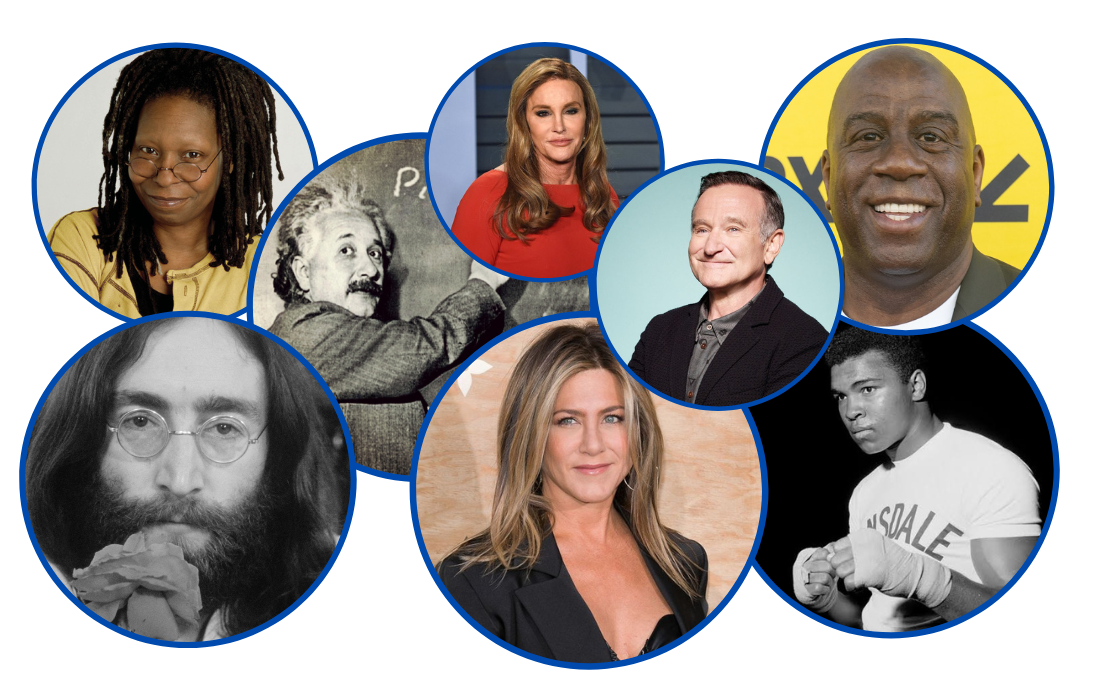
From left: Whoopi Goldberg, Albert Einstein, Caitlyn Jenner, Robin Williams, Magic Johnson, John Lennon, Jennifer Aniston, Muhammad Ali
To find out how to we can help, schedule a consultation with one of our local offices!
Who We Are
Featured Links
#1 This is a title
#2 This is a title

#3 This is a title
Thank you
for your interest!
A KoolMinds representative will be in touch soon.
If you'd like to speak to someone now,
Please call us ➜
Got a Question?
Call or Text Us Now
May 27, 2021
To Whom It May Concern
I am a pediatric neuropsychologist, licensed to practice in both Nevada and Utah. My practice currently offer comprehensive neuropsychological and psychological evaluations for children between 2 1/2 and 17 years of age.
Our team offers expertise in evaluating and diagnosing a wide range of childhood concerns and diagnoses, including Autism Spectrum Disorder, Attention Deficit/Hyperactivity Disorder, Learning Disorders, Intellectual Disabilities, Developmental Delays, Communication Disorders, Anxiety, Depression, and Mood Disorders, Obsessive-Compulsive Disorder, and Behavioral Disorders. We also offer evaluation for giftedness.
Given the diversity of the population that we serve, our team works with children who struggle with learning for various reasons on a daily basis.
In my opinion, one of the greatest resources for the families in our community who have children in need of specialized intervention to improve their academic abilities, is KoolMinds, founded and operated by Jura Kool.
KoolMinds is the first place that we refer families when their child is diagnosed with a learning difference because we have seen the quality of their service, and the positive impact that they have on their clients, time and time again.
The feedback that we have received from families about their experience with KoolMinds has been overwhelmingly positive.
Ms. Kool is an asset to our community; she is very responsive to questions and has always been able to provide our clinicians as well as our patients and their families with valuable insight and practical tools for improving academic performance and remediating academic difficulties.
When Ms. Kool informed me that she was growing her practice to Utah and Idaho, my first thought was how amazing it will be for families in those states to be able to access her services.
It is exciting to think how many more children and families will have a better quality of life because they will be able to get the help that they need to succeed academically.
In sum, I highly recommend that you consider referring any child with a learning difference to KoolMinds.
Please feel free to contact me if I am able to provide additional information in support of KoolMinds and Jura Kool.
Warmly,Nicole Ann Cavenagh, PhDNV Licensed Psychologist, PY0584UT Licensed Psychologist, 120174472501Pediatric Neuropsychologist
Jura Kool
President & Co-Founder
Jura has been helping students with learning and attention issues since 2009. She is a Reading and Dyslexia specialist, an Orton-Gillingham practitioner, and Educational Advocate.
Through KoolMinds, Adrien is committed to creating engaging educational experiences that help students strengthen cognitive abilities, improve academic performance, and develop the tools they need to succeed both in and out of the classroom.
His vision is to make high-quality cognitive training, academics, and STEAM accessible to families while fostering a love of learning and personal growth in every student.